
Death and Social Renewal
The Canterbury TalesThis flow follows death from private catastrophe to public ritual, showing how communities use mourning to rebuild continuity.
increasing Bearing strength in each event
 decreasing
Bearing strength in each eventdecreasingTheban Burial Crisis
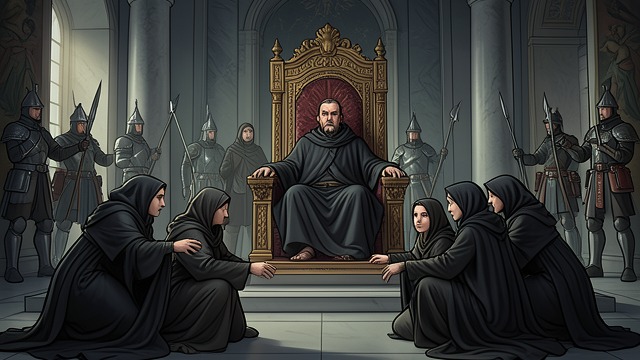
Theban Burial Crisis
Denied Rites
Creon’s refusal to bury the dead turns military victory into a moral scandal. The widows appeal to Theseus as a judge rather than merely a conqueror.
Restored Community
Theseus defeats Creon and returns the bones for cremation. Ritual burial repairs a social order damaged by tyranny.
Arcite’s Funeral
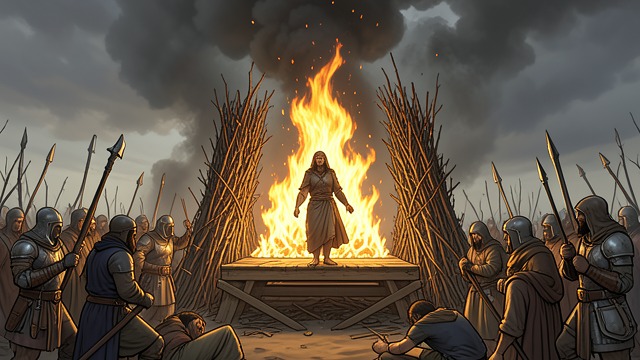
Arcite’s Funeral
Public Mourning
Theseus stages an elaborate funeral with a bier, weapons, trees, offerings, and games. Arcite’s private death becomes a civic event.
Memory Through Ceremony
The funeral transforms rivalry into honor. It allows the living to preserve Arcite’s nobility while accepting that his desire cannot be fulfilled.
Aegeus’s Consolation
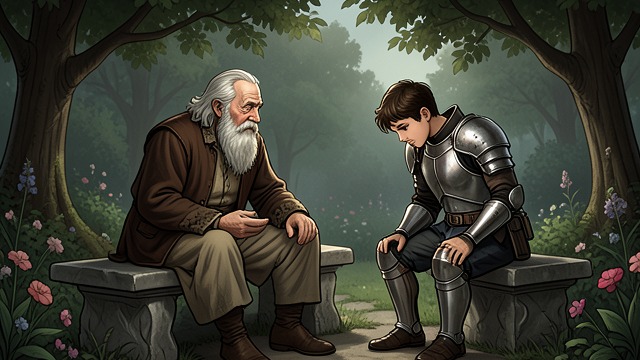
Aegeus’s Consolation
Universal Mortality
Aegeus tells Theseus that every living person must eventually die. His speech places individual grief within the larger order of nature.
From Woe to Wisdom
The argument does not erase sorrow but gives it a structure. The court can proceed toward marriage because mourning has been interpreted rather than denied.
Ugolino’s Tower
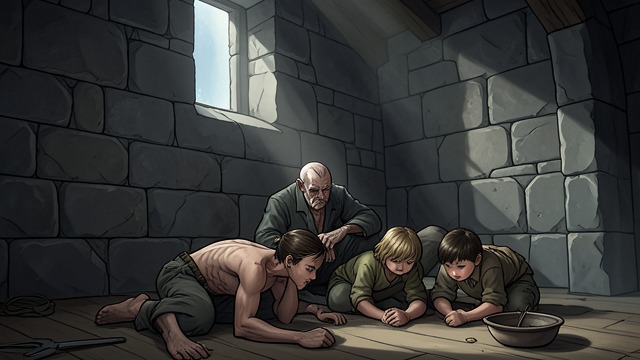
Ugolino’s Tower
Death by Starvation
Count Ugolino and his children die after political imprisonment removes food. Death becomes a weapon wielded by institutions against a family.
Memory Through Testimony
The tale preserves the children’s last words and the father’s helplessness. Storytelling becomes the only burial available to those denied humane death.
Moral Afterlife

Moral Afterlife
Survival Beyond Danger
Chanticleer escapes Russell and returns to the tree. The immediate threat ends, but the event remains as a lesson about flattery and negligence.
Fruit and Chaff
The narrator asks listeners to take the moral fruit and leave aside the comic surface. Narrative gives ordinary survival a durable ethical afterlife.
Theseus’s return from conquest
After Arcite’s death
During the mourning after Arcite’s funeral
The Count Ugolino exemplum
At the end of The Nun’s Priest’s Tale
